Birdwatching on the Vaal River: A Guide to the Birds You'll See and Where to Find Them
3 May 2026 · The Cloudrift Team · 7 min read
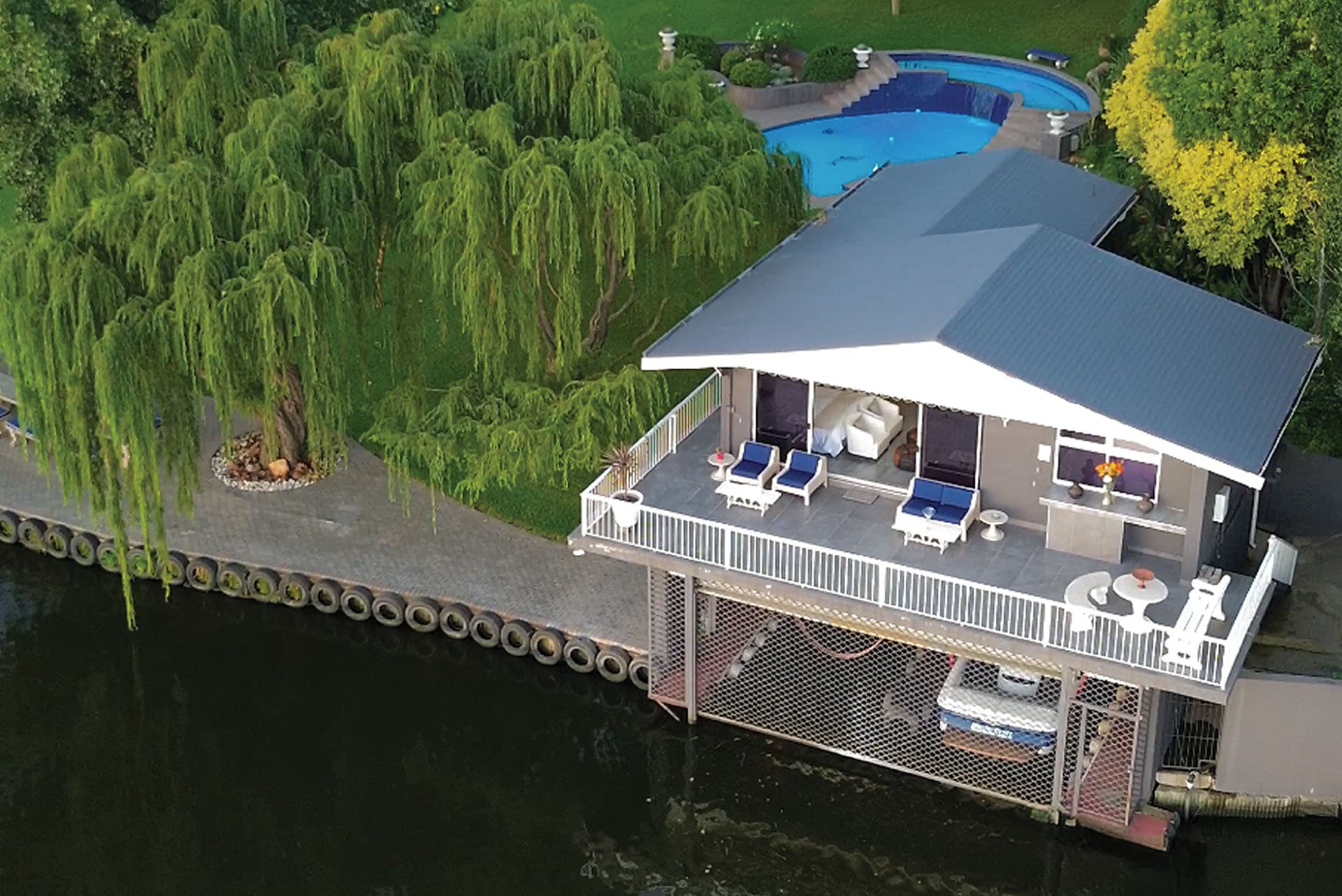
The Vaal River below Vaalview and Vanderbijlpark is one of Gauteng's most rewarding stretches of freshwater for birders, where open water, reedbeds and riverbank trees pack a remarkable variety of species into a short walk along the bank. This guide covers the birds you are most likely to see, organised by the habitat they prefer, along with practical advice on timing, gear and etiquette so that even a first-time birder can fill a morning list.
Why the Vaal River is so good for birds
Rivers are corridors. Water draws insects, fish, frogs and seeds, and that food chain pulls in birds from a wide radius. The Vaal's mix of slow channels, sandbanks, fringing common reed (Phragmites) and bankside willows and acacias creates several distinct micro-habitats side by side. Learn to read those habitats and you will know roughly which birds to expect before you even raise your binoculars.
Open water and sandbanks
The river itself is the stage for the Vaal's most charismatic residents. The African fish eagle is the bird everyone hopes to see and hear; its ringing, far-carrying call is often described as the sound of wild Africa, and pairs perch in tall bankside trees before swooping to pluck fish from the surface. Scan the water and you will also pick up the reed cormorant and the African darter (the "snakebird"), both of which dive to hunt and then perch with wings spread to dry.
Waterfowl are easy wins for beginners because they sit out in the open:
- Egyptian goose - loud, abundant, and usually the first waterbird you will tick.
- Spur-winged goose - one of Africa's largest waterfowl, dark and heavy in flight.
- Little grebe (dabchick) - a tiny, dumpy diver that vanishes underwater the moment you focus on it.
Watch the muddy margins and sandbanks for the blacksmith lapwing, named for its metallic "tink-tink" alarm call, and for the sacred ibis, a white bird with a bare black head and neck that probes the shallows.
Tip for beginners: if a waterbird keeps diving and reappearing somewhere unexpected, it is almost certainly a grebe, darter or cormorant rather than a duck. Ducks dabble at the surface; these birds disappear completely.
Reedbeds and wetland fringes
The stands of reed along the bank are where patience pays off. Several species are heard long before they are seen, so slow down and let your ears lead.
The kingfishers are the headline act here, and on a good day the Vaal can offer several:
- Pied kingfisher - black-and-white, the only kingfisher that hovers over open water before plunging; often in small groups.
- Malachite kingfisher - a jewel-bright, sparrow-sized bird that flashes electric blue low over the reeds.
- Giant kingfisher - crow-sized, the largest African kingfisher, with a heavy bill and a loud, rattling call.
- Brown-hooded kingfisher - a "dry-land" kingfisher that often hunts insects away from the water in bankside trees.
Reedbeds are also home to noisy colonies of weavers and bishops. In summer the southern masked weaver builds its woven nests over the water, while the male southern red bishop turns brilliant scarlet and black to display. Where lily pads and floating vegetation gather in quiet backwaters, look for the African jacana, the "lily-trotter", whose long toes let it walk across floating leaves.
Herons stalk the reed edges with great patience. The stately grey heron is a year-round resident, while the goliath heron - the world's largest heron, standing well over a metre tall with a rich chestnut head and neck - is a true prize when it appears.
Riverbank trees and gardens
The willows, acacias and exotic trees along the bank, including the gardens of riverfront properties, hold their own community of birds. The hadeda ibis is unmistakable: a large, glossy bird whose raucous dawn call is the alarm clock of suburban Gauteng. The brown-hooded kingfisher mentioned above is as much a tree bird as a water bird, and weaver colonies often hang directly over the water from these same trees.
These tree-lined edges are the best place to ease into birding because the birds are close, perched and reasonably still. A garden or veranda overlooking the river will produce a steady stream of doves, bulbuls, sunbirds and weavers without your having to walk anywhere.
Grassland edges and seasonal migrants
Where the bank gives way to open grass and farmland, the species list shifts again. Lapwings, ibises and geese move between the water and the grass to feed, and this transition zone is where you are most likely to add summer visitors.
South Africa's birding calendar is shaped by migration. Resident species such as the fish eagle, herons, kingfishers, geese and hadeda are present all year. Summer migrants, broadly from October to March, swell the list considerably: this is when many weavers and bishops are in bright breeding plumage, when migrant waders work the muddy margins, and when swallows and martins hawk insects over the water. If you can only visit once, the warmer months reward you with both the widest variety and the most colourful plumage.
Best times of day and year
Birds are creatures of the early light. The first two to three hours after sunrise are by far the most productive: birds are actively feeding, calling and easiest to see before the day heats up and they fall quiet. Late afternoon offers a smaller second peak. Still, windless mornings are best, since wind pushes small birds deep into cover.
- Best time of day: dawn to mid-morning, with a lesser flurry in the last hour of light.
- Best season for variety: summer (October to March) for breeding plumage and migrants.
- Best season for waterbird concentrations: the drier winter months, when birds gather at shrinking water.
Gear for beginners
You need very little to start. The essentials:
- Binoculars - the single most important purchase. An 8x42 pair is the classic all-round choice: 8x magnification is steady to hold, and the 42mm lenses gather enough light for dawn birding.
- A field guide - the Roberts Bird Guide and Sasol Birds of Southern Africa are two standard references; either will identify everything in this article.
- The Merlin Bird ID app (free, by the Cornell Lab) - download the Southern Africa bird pack before you go. Its sound-recognition feature, which names birds from their calls in real time, is genuinely useful for the many reedbed species you hear before you see.
Neutral, muted clothing, a hat and a notebook or phone for keeping a list round out the kit.
Birding etiquette and conservation
Good birding leaves no trace. Keep your distance from nests and roosts, especially the weaver and bishop colonies and any breeding herons; never flush a bird for a better photograph. Keep voices low, leave dogs at home or on a lead, and stay on existing paths to avoid trampling the reed fringe that so much of this birdlife depends on. Rivers are fragile: take all litter away with you, and never discard fishing line, which entangles and kills waterbirds. Logging your sightings to a citizen-science platform such as eBird or the South African BirdLasser app turns a pleasant morning into a small contribution to conservation data.
Making early-morning birding easy from Cloudrift
The hardest part of dawn birding is usually getting to the water before the birds go quiet. A quiet riverfront base solves that. At Cloudrift Breakaways, the Luxury Villa, Garden Cottage and Boathouse Bungalow all sit on the Vaal with verandas over the water, so your first fish eagle or hovering pied kingfisher can be ticked with coffee in hand, before anyone else is about. No crowds, no early drive - just the reedbeds waking up a few steps from your door.
If you would like to wake to the call of the fish eagle on the Vaal, check availability at Cloudrift and choose the unit that suits your party. Bring your binoculars; the river will do the rest.