A Complete Guide to the Fish Species of the Vaal River
12 April 2026 · The Cloudrift Team · 8 min read
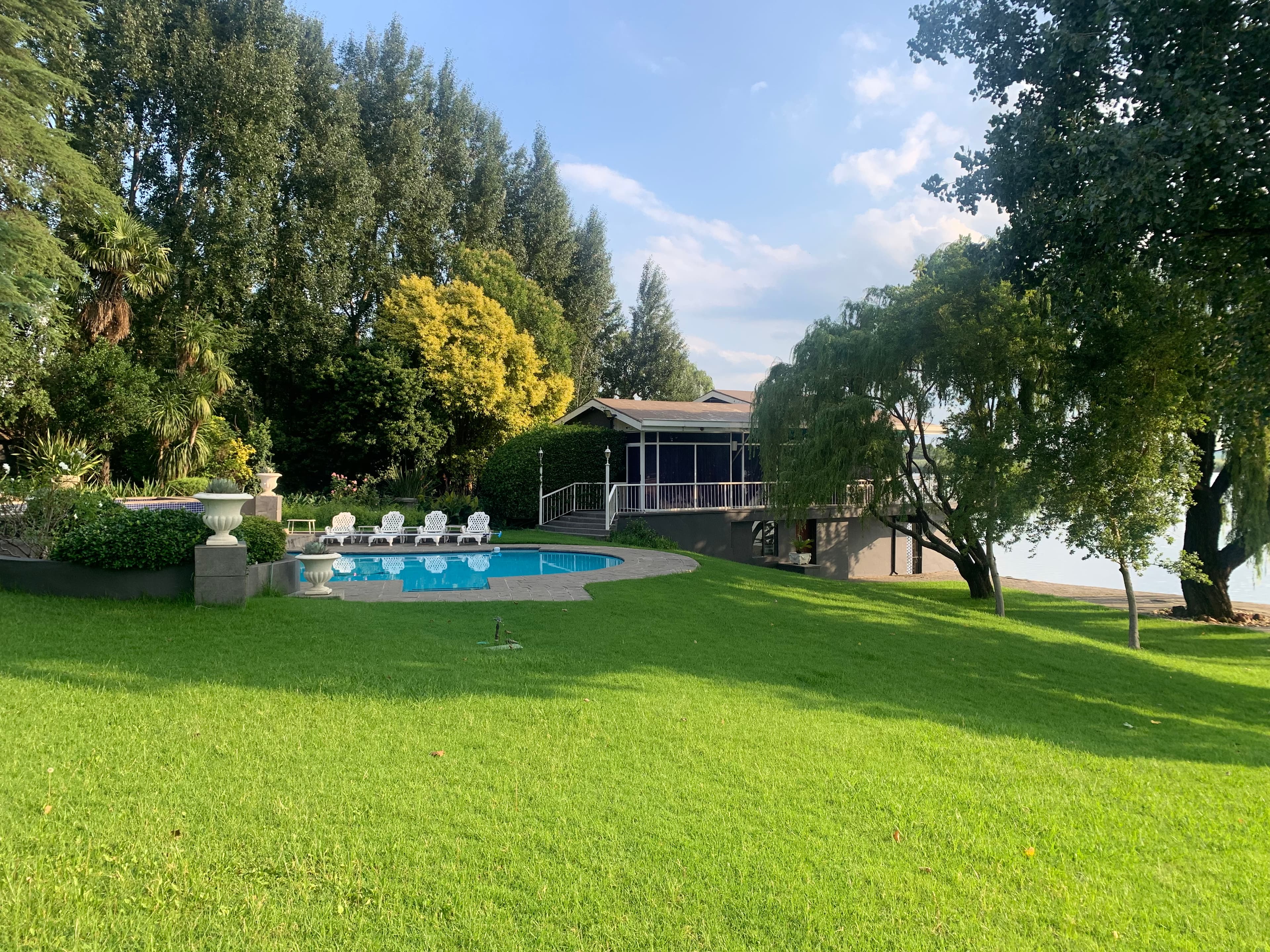
The Vaal River is one of South Africa's premier inland fisheries, threading through Gauteng and the Free State and offering anglers everything from prized indigenous yellowfish to hard-fighting carp and barbel. This guide covers every notable species you can target or encounter on the river, with practical detail on identification, size, location, baits and seasonality.
Indigenous species
Largemouth (Vaal-Orange) yellowfish
The largemouth yellowfish (Labeobarbus kimberleyensis) is the apex indigenous predator of the system and the most prized catch on the river. It has a deep golden-bronze flank, a noticeably large, protrusible mouth and a sub-terminal jaw that betrays its piscivorous habits. Adults commonly run 3-8 kilograms, and specimens over 10 kilograms are landed each season.
Largemouths hold in deeper, slower runs, around submerged rock ledges and in the eddies below rapids where smaller fish concentrate. They are predominantly fish-eaters as adults, so live or dead baitfish, large flies and spinners outperform traditional baits. Fly anglers swing big streamers through riffle tails; lure anglers work spoons and soft plastics along drop-offs. The warmer months from spring through autumn (roughly September to April) are most productive, as cold winter water slows their metabolism.
Smallmouth yellowfish
The smallmouth yellowfish (Labeobarbus aeneus) is the river's signature fly-fishing target and far more abundant than its largemouth cousin. It is more streamlined, olive-gold above and silvery below, with a small, downturned mouth suited to grazing invertebrates off the riverbed. Typical fish weigh 0.5-2 kilograms, with good specimens reaching 3-4 kilograms.
These fish love oxygenated, faster water: riffles, rapids and the broken pocket-water between boulders. They feed heavily on nymphs, caddis, small crustaceans and, in summer, drifting larvae.
- Fly: weighted nymphs (caddis, mayfly and "Brassie"-style patterns) dead-drifted along the bottom; dry flies during summer hatches.
- Light tackle: small spinners and tiny worm or maggot baits.
- Season: late spring to autumn fishes best, with summer the classic yellowfish window; clear, low water after the summer floods recede is prime.
Both yellowfish species are slow-growing, late-maturing and sensitive to over-exploitation, which is why the angling community treats them as strictly catch-and-release.
Common carp
Though often regarded as naturalised rather than strictly indigenous, the common carp (Cyprinus carpio) is now a Vaal staple and a favourite of bait and specimen anglers. Carp are deep-bodied and heavily scaled, brassy to olive in colour, with two pairs of barbels at the mouth. They average 2-6 kilograms but regularly exceed 10 kilograms in the bigger pools.
Carp patrol slow, deeper water, weed margins, inlets and muddy bottoms where they root for food. They respond superbly to bottom baits.
- Baits: mielie (sweetcorn), boilies, floating crust, pap (maize-meal) baits and worms.
- Method: ledger or feeder rigs fished on the bottom; pre-baiting a swim pays off.
- Season: year-round, but feeding peaks in the warmer months; carp will still feed in winter on milder days.
Sharptooth catfish (barbel)
The sharptooth catfish (Clarias gariepinus), known locally as barbel, is the river's heavyweight. Scaleless, dark grey to olive, with a broad flat head and four pairs of long barbels, it is an air-breathing survivor that tolerates low-oxygen water. Barbel of 2-8 kilograms are common, and fish well over 15 kilograms are caught.
They hold in deep, slow pools, undercut banks and backwaters, hunting mostly after dark. Barbel are opportunistic scavengers and predators.
- Baits: chicken liver, fish fillets, "stink" baits, large worms and dead baitfish.
- Method: heavy bottom rigs; fish into the evening and night for best results.
- Season: strong year-round, with spectacular summer feeding during and after rains when they move into flooded margins.
Orange River mudfish (moggel)
The Orange River mudfish (Labeo capensis), or moggel, is an underrated sporting fish. It is torpedo-shaped, grey to bronze, with a distinctive sucker-like ventral mouth used to scrape algae and detritus from rocks. Most run 0.5-2 kilograms.
Mudfish shoal over rocky and gravel bottoms in moderate current. Because they are bottom grazers they can be tricky on bait, but they take small worms, dough and maggot baits fished hard on the deck, and fly anglers occasionally hook them on small nymphs. They feed most actively in the warmer months and often shoal up before their summer spawning runs.
Banded tilapia (vlei kurper)
The banded tilapia, often called vlei kurper (Tilapia sparrmanii), is a small, hardy indigenous cichlid. It is olive-green with several darker vertical bars down the flank and, in breeding condition, a bright yellow wash. It rarely exceeds 200-300 grams.
Kurper favour quiet, weedy margins, reed beds and sheltered backwaters. They take small baits readily, making them a brilliant species for introducing children to angling.
- Baits: earthworms, small dough baits and bread.
- Method: light float tackle close to structure.
- Season: most active in the warmer months around the weed beds.
Mozambique tilapia
The Mozambique tilapia (Oreochromis mossambicus) is a larger cichlid found in the warmer, slower reaches of the system. Olive-grey and deep-bodied, breeding males darken dramatically. Typical fish are 200 grams to 1 kilogram. They hold around weed beds, submerged structure and soft-bottomed margins, feeding on plant matter, detritus and small invertebrates. Worms, bread and small dough baits on light float tackle work well, with summer the most reliable season.
Introduced species
Largemouth and smallmouth bass
Introduced for sport, largemouth bass (Micropterus salmoides) and smallmouth bass (Micropterus dolomieu) are established in parts of the Vaal and its impoundments. Largemouth bass are olive-green with a dark lateral band and a jaw extending past the eye; smallmouth are bronzer with vertical barring and prefer cooler, rockier, faster water. Both are typically 0.5-2 kilograms in the river.
Bass are ambush predators that hold tight to cover: submerged trees, rock, weed edges and drop-offs. Target them with soft-plastic worms and creatures, crankbaits, spinnerbaits and surface lures. Spring and autumn are prime, with early-morning and late-afternoon surface action in summer.
Bluegill
The bluegill (Lepomis macrochirus), a small introduced sunfish, is common in quieter backwaters and dams off the main channel. Rarely more than 150-250 grams, it is deep-bodied with a dark gill flap. Bluegill take tiny worm and bread baits eagerly on light float tackle and, like kurper, are perfect for young anglers.
Tackle, regulations and conservation
Tackle essentials
- Yellowfish fly: a 4-6 weight rod, floating line and a box of weighted nymphs covers most situations.
- Carp and barbel: medium-heavy rods, robust reels and reliable ledger or feeder rigs for bottom baits.
- Light bait and lure: a light spinning outfit handles kurper, mudfish, tilapia, bluegill and smaller bass.
- Always carry barbless or de-barbed hooks, long-nose pliers and a soft, knotless landing net.
Permits and local regulations
Freshwater angling in South Africa is regulated at provincial level, and a valid angling licence is typically required. Around Vaalview the Vaal forms the boundary between Gauteng and the Free State, so check which provincial licence applies to the bank you intend to fish. Bag and size limits, closed seasons and gear restrictions can apply, particularly for yellowfish, and stretches near private land or reserves may need landowner permission. Always confirm the current rules with the relevant provincial authority before you fish.
An ethical catch-and-release note
Yellowfish in particular reward careful handling. Use barbless hooks, keep the fight short, wet your hands and the net, support the fish horizontally, minimise air exposure and revive it fully facing into the current before release. Treating every yellowfish as catch-and-release protects a slow-growing indigenous species for the anglers who follow.
A productive session is as much about your base as your tackle, and a comfortable riverside spot lets you fish the prime dawn and dusk windows without a long drive. Cloudrift Breakaways, set on the banks of the Vaal near Vaalview, offers direct riverfront access and three self-catering units, the Luxury Villa, the Garden Cottage and the Boathouse Bungalow, making it an easy, relaxing base for multi-day fishing trips. Dogs are welcome, families are well catered for, and the water is right on your doorstep.
Ready to plan your next session on the Vaal? Check availability at Cloudrift and book your riverside stay.